
FDM, SLA, and SLS 3D Printing...How to Decide?
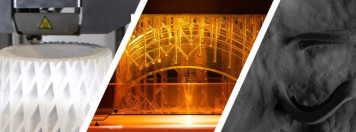
Now let's delve into a detailed comparison of the three main 3D printing techniques: FDM, SLA, and SLS. Each of these methods has its unique features and is suitable for various purposes.
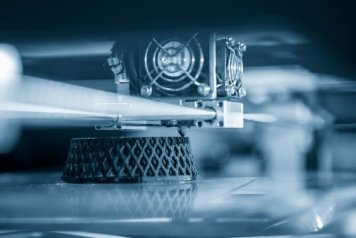
| FDM (Fused Deposition Modeling): FDM is an excellent choice for those entering the world of 3D printing on a budget. This technique is cost-effective and ideal for individuals and hobbyists. FDM printers extrude and build objects layer by layer from melted plastic - filament. While the print surface may not be completely flawless, FDM printers offer quick and efficient printing options. They are great for printing prototypes and experimental objects. | 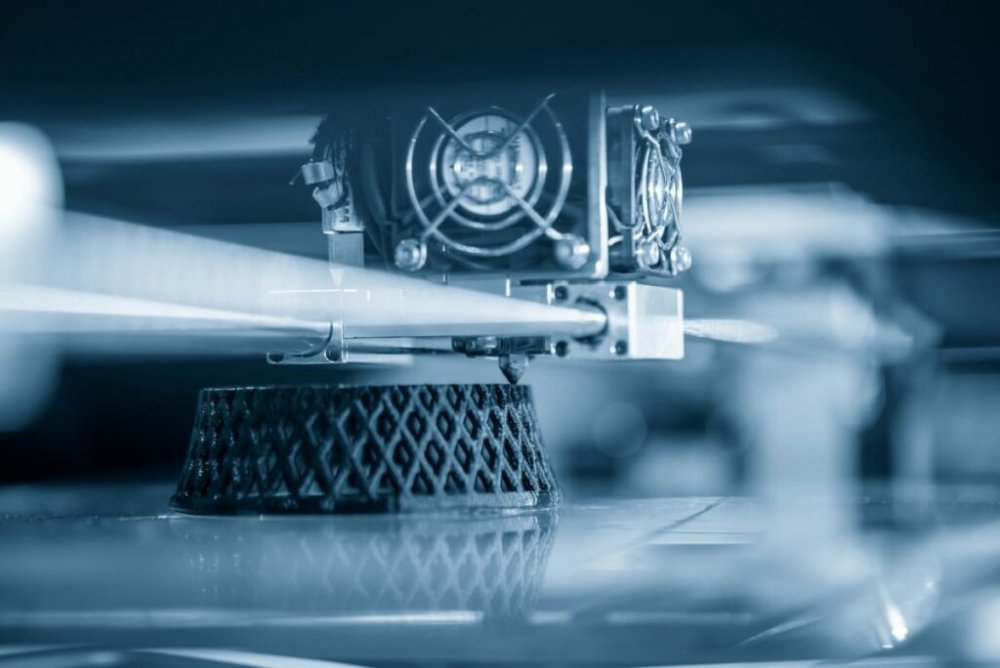 |
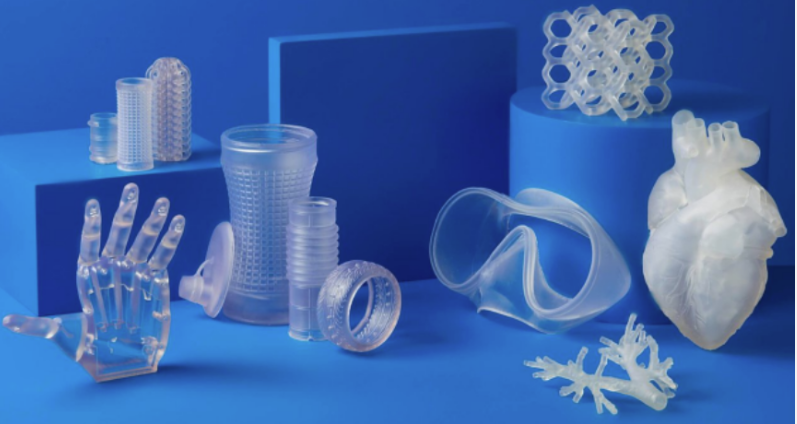 |
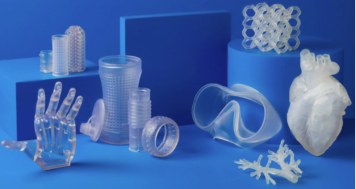
SLA (Stereolithography): SLA is known for its ability to create highly accurate and smooth surfaces on printed objects. This method uses a solid resin, which hardens with the help of a laser. It's suitable for applications requiring high precision and surface quality, such as in medicine or design. SLA printers are more expensive than FDM printers, but they provide excellent surface finish and detail. |
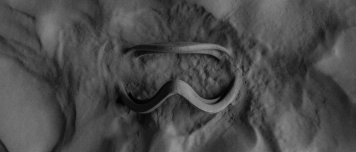
| SLS (Selective Laser Sintering): SLS is a different 3D printing technique that uses powder material and a laser beam to fuse particles of material into layers. This technique is ideal for producing complex and strong parts. It has many industrial applications, particularly in healthcare, aerospace engineering, and electronics. SLS printers are more expensive than FDM and have less detail than SLA printers. | 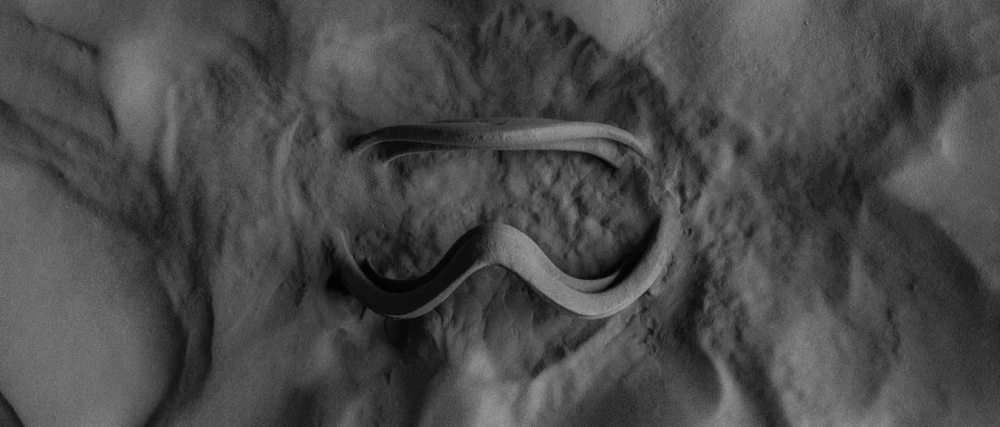 |
Choosing between FDM, SLA, and SLS depends on your specific needs and budget. For cost-effective home printing or quick prototype printing, FDM may be the ideal choice. For applications requiring high precision and surface quality, SLA may be the best. Finally, if you need strong and complex parts for industrial purposes, SLS will be the go-to.
Overall, there's no universally best 3D printing method; the choice depends on the specific requirements of your project and your budget. All these techniques have their place and can enable you to create fascinating objects in the world of 3D printing.